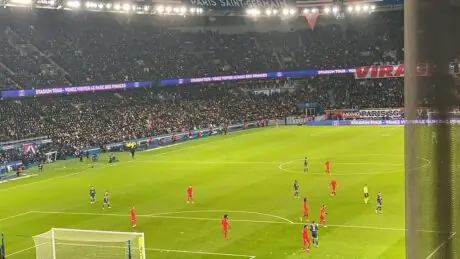
Atlanta beat Golden State 79–65 in WNBA Finals Game 2, earning the Dream’s first Finals victory and tying the series at 1–1. Angel Reese’s 30 points and 16 rebounds led the response, while defensive pressure and a decisive third quarter changed the matchup before it moves to Atlanta.
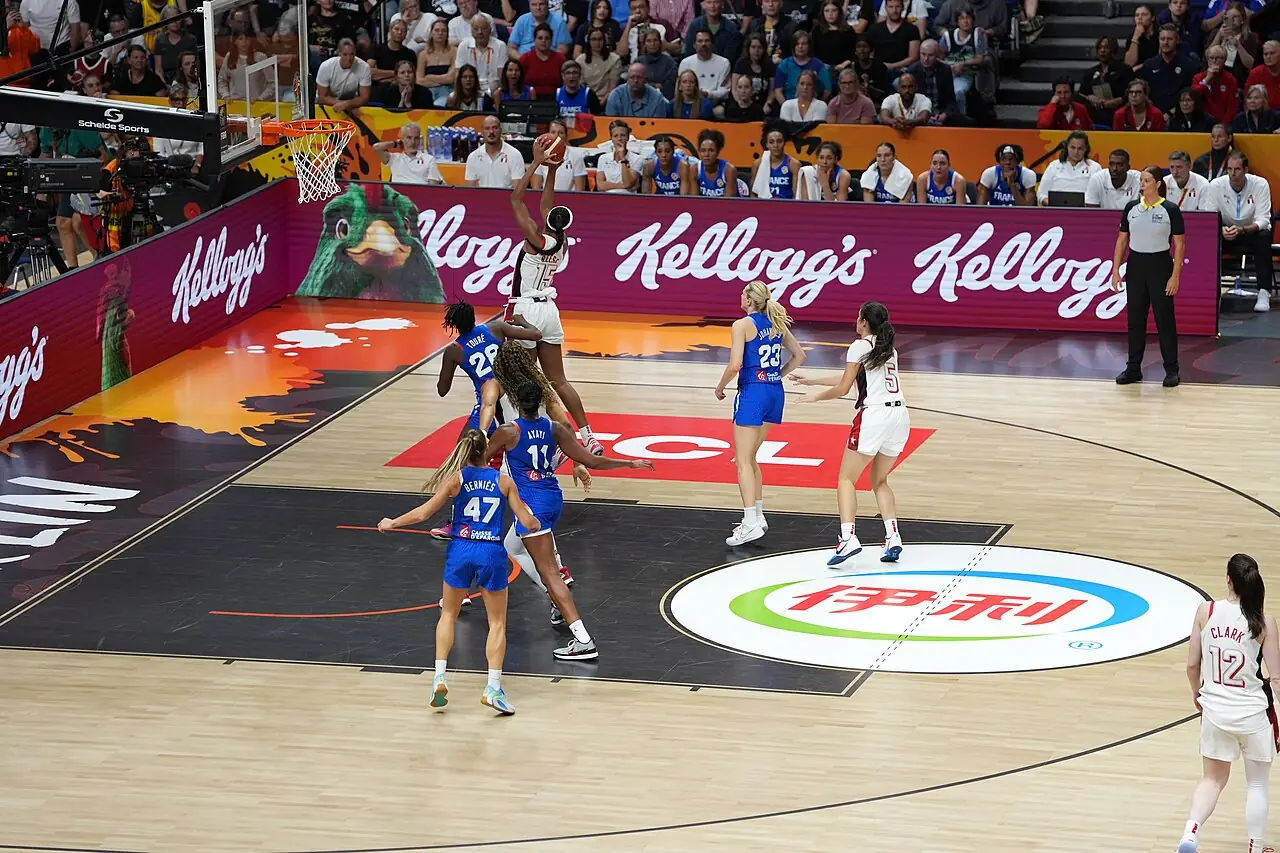
The Atlanta Dream have answered the first major test of their WNBA Finals campaign. Their 79–65 win over the Golden State Valkyries at Chase Center on Monday, October 19, gave the franchise its first victory in a Finals game and levelled the best-of-seven series. Reports published on October 20 describe the result; the game itself was played on Monday night in San Francisco.
Angel Reese provided the headline performance with 30 points and 16 rebounds, a contribution that combined scoring with possession control. Atlanta’s official account confirms both figures and the franchise milestone. The victory also changes the practical shape of the series: the Dream return home with a split instead of a two-game deficit. Atlanta’s official Game 2 report records the breakthrough.
A narrow first half became a decisive third quarter
This was not a game Atlanta controlled by a large margin from the opening tip. The Dream led 39–37 at halftime. They then stretched the advantage to 60–46 after three quarters, creating the separation that the final score reflects. The difference between those two checkpoints identifies the third quarter as the decisive scoring period, rather than allowing the final margin to flatten the story of the evening.
Atlanta’s account describes a difficult shooting quarter in which the team nevertheless made all 12 of its free throws. That detail is important: a team can increase its lead without producing an uninterrupted succession of made field goals. Trips to the line can sustain an attack while the defence makes the opponent work for every point. The Dream found a route through a quarter that was not simply an exhibition of hot shooting.
For Golden State, the challenge was the opposite. A competitive opening half gave way to a deficit large enough to require several stops and successful possessions in sequence. The team could no longer trade scores and expect to close the gap. That changes the risk calculation for an offence, especially if the shots it normally expects to make are not falling.
Reese’s response was about more than volume
Reese’s 30-point, 16-rebound line is corroborated by the league’s published recap. That account also notes that Atlanta had lost its previous ten Finals games across its earlier appearances and the opener of this series. The Game 2 result therefore ends a specific franchise record of frustration; it does not mean Atlanta had never won a playoff game. The league’s recap, supplied by the Associated Press, provides that historical context.
A scoring total can identify the most visible contributor without describing the full job. Rebounds finish defensive possessions or create another chance at the other end. Screens, positioning and the pressure of a player’s presence can affect what teammates are able to do even when those actions do not appear as points beside that player’s name. Reese’s impact should be read through that wider basketball context, rather than as a choice between individual statistics and team play.
The performance also offers a useful reminder about interpreting an opener. One difficult half or one lost game can reveal problems that need attention without defining an entire series. Atlanta had to demonstrate a response on the court. Monday’s victory supplies that response, while leaving the next game open rather than proving that the remaining contests will follow the same pattern.
Pressure on the ball gave Atlanta another source of offence
Rhyne Howard’s six steals and Atlanta’s 24 points off turnovers were central features of the winning team’s account. Those are related measures but not interchangeable ones. A steal records a particular defensive action; points off turnovers describe what the team produces after the opponent loses possession. The second measure depends on converting the opportunity as well as creating it.
The distinction matters because disruptive defence is most valuable when it changes the next possession. A deflection that becomes a turnover can prevent the opponent from completing a planned attack. If the defending team then advances quickly, the opponent may have to organise its defence while retreating. That is a different situation from attacking a fully set half-court unit.
There is also a limit to what can be inferred. One game’s turnover production does not guarantee the same opportunities in Game 3. Golden State can change passing choices, spacing and ball-handling responsibilities. Atlanta can seek to preserve its pressure while avoiding unnecessary fouls or leaving openings behind an aggressive attempt at the ball. The next contest will test the adjustment on both sides.
Foul discipline was part of the response
Atlanta’s official account says Howard had four fouls at halftime and Reese had three, yet neither picked up another during the third quarter. That made the successful period more demanding than the scoring swing alone suggests. Important players had to contribute without letting an additional foul further restrict the available options.
A player in foul trouble faces a specific judgement on each defensive possession: how to challenge effectively while remaining within the rules. A coach must decide how much time to keep that player on the floor and what support the surrounding lineup can provide. The answer can change as the score and time remaining change. Atlanta’s third quarter shows why discipline belongs in the account alongside its pressure, rather than assuming that aggressive defence means taking every available risk.
Golden State’s bench produced, but the starters needed more
The Valkyries’ official report identifies a striking split within their scoring: Golden State’s second unit outscored Atlanta’s bench 33–11, but Gabby Williams was the only Valkyries starter to reach double figures, with 14 points. That combination explains why a productive bench did not translate into a competitive final margin. A team can win one important comparison and still lose the broader contest. Golden State’s own game account details those contributions.
The same report credits Kiah Stokes with 11 rebounds and four blocks. Those defensive contributions deserve recognition without being treated as a solution to every problem the team faced. Protecting the rim and ending possessions can keep a team involved; the offence still needs enough successful trips to turn those stops into pressure on the scoreboard.
Golden State’s adjustments therefore concern balance as well as shot-making. Bench scoring is an asset to retain, rather than an explanation to discard. The task is to connect it to a more consistent overall attack while responding to Atlanta’s pressure. That is a more precise description of the problem than concluding from one result that the roster lacks the ability to score.
Borlase’s small scoring total hid a meaningful defensive moment
Australian coverage adds another perspective on the game. ABC News, carrying an AAP report, describes rookie Izzy Borlase playing almost 17 minutes, scoring two points and contributing a block on Veronica Burton late in the second quarter. The play helped launch a sequence ending in an Allisha Gray three-pointer. It is an example of a contribution whose importance is not captured by a points total alone. ABC’s report follows the Australian rookie’s role.
That account also corroborates the 39–37 halftime score and the 60–46 third-quarter checkpoint. Cross-checking those figures is useful because live updates can contain errors or reflect incomplete moments. The established game reports provide a firmer basis for describing how the contest developed than an isolated post or an early fragment of a running commentary.
For a rookie in a Finals rotation, responsibility can take forms other than a large number of shots. Defending a possession, making the next pass and maintaining a team’s structure can all matter. Borlase’s game provides a concrete case for examining those actions before reducing a player’s evening to whether she reached double figures.
The next two games bring a different setting
The series now moves to Atlanta. The Dream announced that Games 3 and 4 would be played at State Farm Arena, and Game 3 was moved to Wednesday, October 21, from its earlier October 22 date. Axios’s local reporting describes the venue change and the organisational work required. Fans should use the revised date rather than an old schedule image. Axios Atlanta’s venue report explains the change.
Golden State’s current official recap lists Game 3 at 5 p.m. Pacific, which is 8 p.m. Eastern on Wednesday. In Belgrade that corresponds to 2 a.m. on Thursday, October 22. The calendar rollover matters for European viewers: the host city’s Wednesday evening is already the following morning in Serbia. Broadcast availability should be checked separately for the viewer’s country.
A 1–1 score in a best-of-seven series gives both clubs a clear immediate objective: win the next game and take the first advantage of the Atlanta portion. The change of venue creates a different environment, but it does not erase the basketball questions established in San Francisco. Ball security, defensive pressure, rebounding and productive possessions remain central.
A new result, with the series still undecided
Our earlier Game 2 preview examined the matchup after Golden State won the opener. Monday’s result is the substantive development that follows it. The preview’s publication date remains intact; the new article records what happened next.
Atlanta’s first Finals win is both a historical milestone and a practical reset. Reese delivered the largest individual line, while turnovers, free throws and contributions from teammates helped build the result. Golden State retains the evidence of its opening win and has specific problems to solve from its second game. Neither team has won the championship yet. What is settled is that the series reaches Atlanta level, with the next contest carrying a very different atmosphere from the one a two-game deficit would have created.
Smashology Editorial Team
The Smashology Editorial Team is responsible for reviewing and publishing content at Smashology Media, overseeing sourcing, fact-checking, corrections, and editorial standards across coverage of internet culture, technology, entertainment, news, and crime.
Sources
Links cited in this article.
- Wikimedia Commonscommons.wikimedia.org
- CC BY-SA 4.0creativecommons.org
- Atlanta’s official Game 2 reportdream.wnba.com
- The league’s recap, supplied by the Associated Presswnba.com
- Golden State’s own game accountvalkyries.wnba.com
- ABC’s reportabc.net.au
- Axios Atlanta’s venue reportaxios.com