Paris Saint-Germain defeated Barcelona 4–2 on October 20 after the visitors twice equalised at Parc des Princes. Vitinha and Fabián Ruiz scored late to settle the Champions League meeting, ending Barcelona’s winning start while leaving plenty of the league phase still to play.
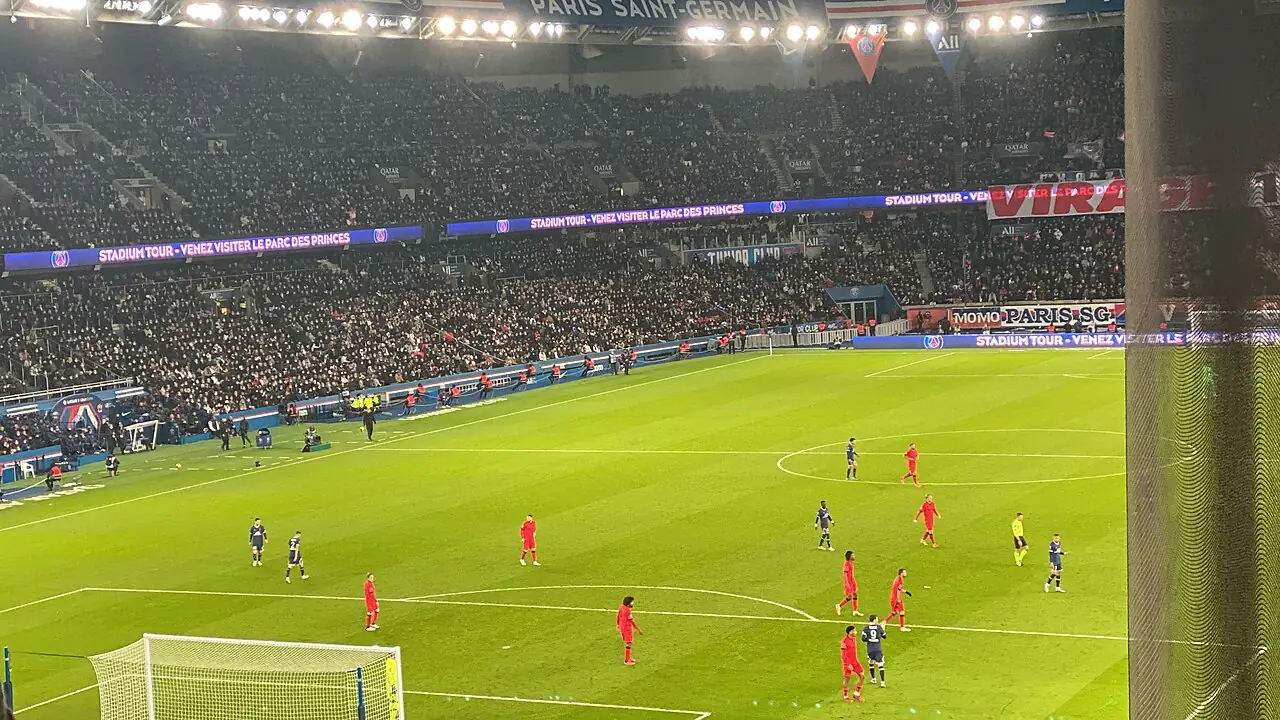
Two Barcelona recoveries, then a decisive Paris finish
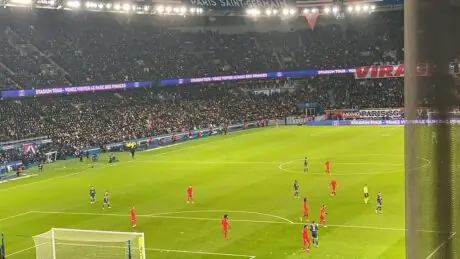
Paris Saint-Germain beat Barcelona 4–2 at Parc des Princes on October 20, turning a match that stood level with little more than ten minutes of normal time remaining into a significant Champions League victory. Barcelona’s official match centre confirms the final score and the six scorers: Désiré Doué, Lucas Hernández, Vitinha and Fabián Ruiz for PSG; Xavi Espart and Lamine Yamal for the visitors. This is the result of the senior men’s Matchday 3 fixture, rather than a preview or a youth-team result.
The pattern is as important as the margin. Barcelona recovered from 1–0 and 2–1 before PSG found two further goals. The scoreline records a two-goal defeat, but the sequence shows why the final stages deserve particular attention. Barcelona had twice repaired the scoreboard and still could not turn those recoveries into a point.
The six-goal timeline
The official timeline puts Doué’s opener in the 38th minute and Espart’s equaliser in the 55th. Hernández restored PSG’s advantage in the 72nd minute, before Yamal made it 2–2 in the 79th. Vitinha then scored in the 81st minute and Ruiz in the 86th. PSG led 1–0 at half-time. Those timings establish that the decisive separation came after Barcelona’s second equaliser, rather than through an uninterrupted Paris lead.
That chronology guards against a misleading shorthand. Calling the match comfortable from start to finish would overlook the two equalisers. Describing Barcelona as having completed a comeback would be equally inaccurate. PSG regained control of the result when it mattered, and Barcelona’s successful responses earlier in the game did not protect them from the next attack.
It is also important to identify the final scorer correctly. Barcelona’s official timeline names Ruiz at 86 minutes. The distinction matters when rapidly updated summaries contain inconsistent scorer labels. The confirmed sequence above follows the club’s match record, with the final score corroborated by independent coverage.
How the contest developed
In its match report, Barcelona describes chances at both ends, an early Khvicha Kvaratskhelia effort against the post and important work by both goalkeepers. It says Dani Olmo went off injured during his 100th appearance for the club. The report attributes Doué’s opener to a move following a misplaced pass, and describes Espart finishing a Fermín López pass after half-time.
The same account describes Hernández scoring with a header from a corner and Yamal exploiting a defensive mistake for the second equaliser. These details help explain the variety of the goals without requiring speculative claims about every tactical instruction. An error in possession, a set piece and a response to an opponent’s mistake are different routes to a scoring opportunity.
The injury report should not be expanded into an unverified diagnosis or recovery date. Being forced off is a confirmed event in the club’s account; determining the nature and duration of the problem requires a separate medical update. The result can be analysed without predicting how many subsequent matches Olmo will miss.
The narrow interval after 2–2
Yamal’s equaliser and Vitinha’s goal were separated by two minutes on the official timeline. Ruiz added another five minutes later. That is the clearest numerical expression of the finish: the match moved from level to a two-goal PSG advantage in a short late passage. The timeline supports that observation without requiring an unverified possession figure or an invented expected-goals calculation.
For Barcelona, the useful review question is what happened immediately after the equaliser. Restoring parity changes the choices available to a team. It can consolidate, continue to press for a winner or adjust its risk according to the competition and remaining time. The result alone cannot tell us which instruction was given, but it makes the management of that phase a legitimate focus for review.
For PSG, the finish demonstrates the value of producing another response after surrendering a lead. It does not prove that the team controlled every period of the match. A more precise assessment recognises both the vulnerability that allowed Barcelona back into the contest and the attacking effectiveness that ultimately decided it.
A winning run ends, rather than a season being decided
Barcelona’s pre-match official preview documented an eleven-match winning start across competitions. The Paris defeat ends that sequence. It does not erase the points accumulated in earlier fixtures or convert a strong domestic start into a domestic defeat: this was a European match, and the competitions have separate standings.
The distinction is especially useful around a highly anticipated fixture. A perfect record creates a dramatic headline when it ends, but the record and the performance answer different questions. Barcelona’s ability to equalise twice is part of the match evidence. Conceding four and losing is also part of it. Neither should be discarded to preserve a simple story of uninterrupted progress or total collapse.
Cadena SER’s October 20 account independently reports the 4–2 result and identifies Vitinha and Ruiz as the players who settled the closing stages. Its interpretation places PSG among the leading contenders. That is an assessment of their prospects, rather than a fact that can be established by one October result.
Why three points matter in this format
UEFA’s league-phase explanation states that the top eight clubs after eight matches advance directly to the round of 16, while positions nine through 24 enter the knockout phase play-offs. That structure makes each result part of a shared table rather than a two-legged tie between these opponents. There is no aggregate winner to declare from this single meeting.
A victory over a strong opponent is valuable in its own right, but neither team has completed its league-phase programme. The match cannot, by itself, establish a final seeding position, automatic qualification or elimination. Those outcomes depend on the remaining fixtures and the wider competition, which continues beyond this evening’s games.
The goal margin may also matter in a tightly packed table. UEFA’s explanation sets out how teams level on points are separated, beginning with goal difference. PSG’s late fourth goal therefore changes more than the appearance of the result. It contributes to a season-long total, although its eventual effect cannot be known until other results are available.
The defensive context needs a measured reading
Barcelona’s travelling-squad announcement had already confirmed that Eric García and Jules Kounde were absent for the trip. Those absences were part of the known selection context before kickoff. They should not be presented as injuries discovered during the defeat, or as proof that either player’s presence would have changed the result.
Selection constraints can explain why a coach has fewer options without explaining every goal. A proper review still has to distinguish the handling of a corner from possession lost in open play and from decisions taken after an equaliser. Assigning the entire scoreline to missing players would skip those separate questions and turn a plausible influence into an unsupported certainty.
Espart’s goal also illustrates why the replacement-player story is more complicated than a simple weakness. His contribution helped Barcelona recover the first deficit. That attacking intervention belongs alongside the defensive questions when assessing the night, rather than disappearing because the final result was disappointing.
A familiar rivalry in a different competitive setting
UEFA’s pre-match facts put the fixture in the context of repeated European meetings between the clubs. That history explains some of the attention, but it should not be used to import the rules or stakes of an earlier knockout tie into this league-phase game. The current result awards points; it does not send Barcelona out of the competition.
There is a broader lesson in how the match should be assessed. A rivalry’s past can provide context, but the current evidence consists of the players available, the events on the pitch and the competition’s present format. A dramatic historical comparison cannot replace those details. PSG’s win stands as an important result without needing to be labelled a definitive turning point in the entire rivalry.
AS’s post-match commentary also places the victory alongside PSG’s recent win over Manchester City. That comparison reinforces the strength of the opposition Paris have faced, while remaining commentary on their form. Winning against major rivals in October is evidence of current competitiveness; retaining that level through the knockout rounds is a later challenge.
What to watch after the final whistle
Barcelona’s immediate follow-up includes the official assessment of Olmo and a review of the late goals conceded. PSG’s task is to carry the result into the rest of the programme. Neither requires assuming that the next match will reproduce this one. Team selection, fitness and opposition will change, and confirmed updates should take priority over predictions about a permanent shift in status.
For supporters looking back at the game, the strongest conclusions remain specific. Espart and Yamal twice brought Barcelona level. PSG found a response on both occasions and delivered the decisive final passage through Vitinha and Ruiz. The result ended Barcelona’s perfect start, but the league phase remains open, with further matches needed to establish both clubs’ eventual positions.
Related coverage: our pre-match report on PSG–Barcelona.
Smashology Editorial Team
The Smashology Editorial Team is responsible for reviewing and publishing content at Smashology Media, overseeing sourcing, fact-checking, corrections, and editorial standards across coverage of internet culture, technology, entertainment, news, and crime.
Sources
Links cited in this article.
- Wikimedia Commonscommons.wikimedia.org
- CC BY-SA 4.0creativecommons.org
- official match centrefcbarcelona.com
- match reportfcbarcelona.com
- official previewfcbarcelona.com
- Cadena SER's October 20 accountcadenaser.com
- UEFA's league-phase explanationuefa.com
- travelling-squad announcementfcbarcelona.com
- UEFA's pre-match factsuefa.com
- AS's post-match commentaryas.com