The Pelicans trade reshapes the back end of two young NBA rosters. The Memphis Grizzlies and New Orleans Pelicans have made a late-offseason trade built less around star power than fit, development and future flexibility.
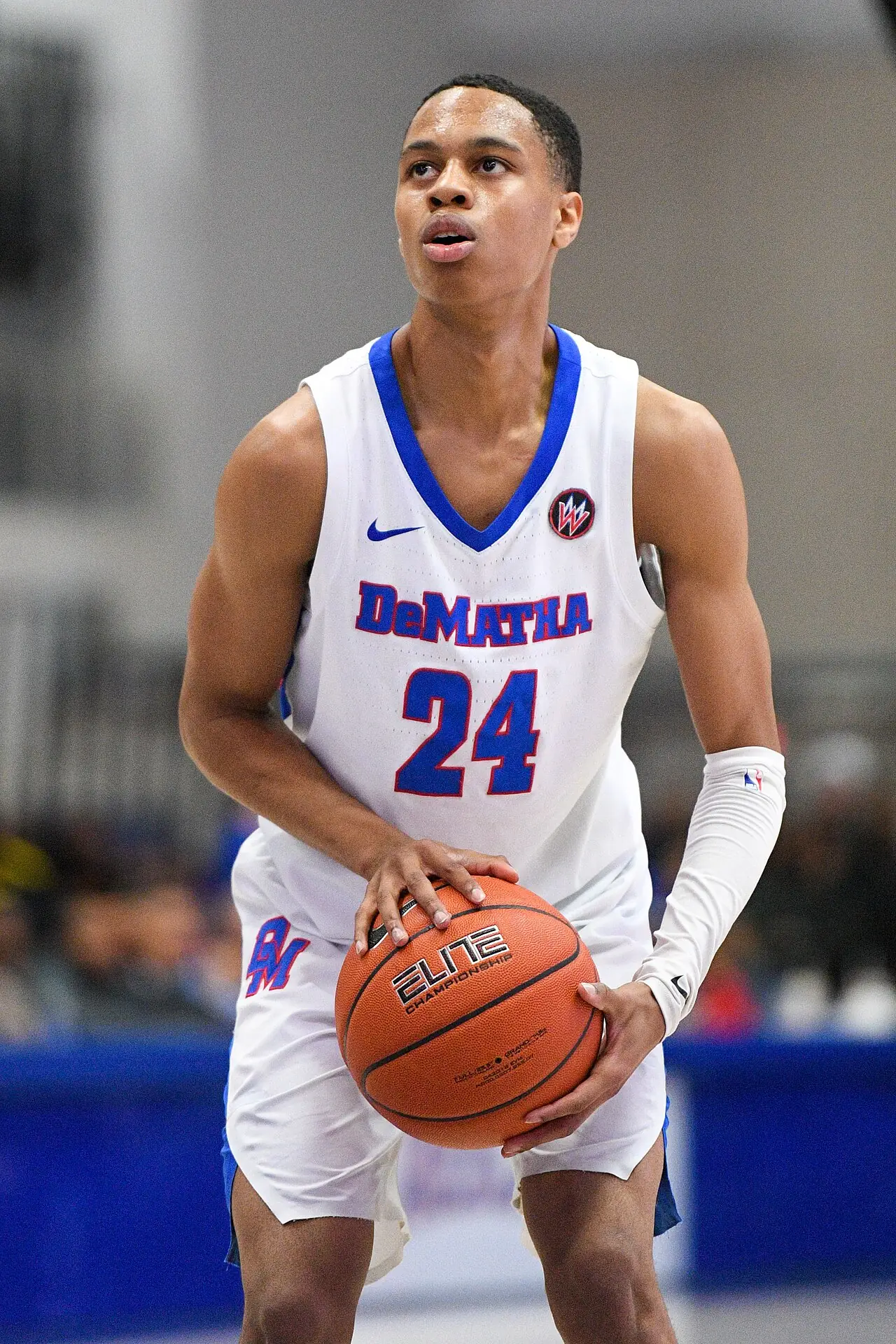
Memphis acquired guard Jordan Hawkins, wing Micah Peavy, a future second-round pick and the right to swap a future second-round pick. New Orleans received veteran big man Taj Gibson and young guard AJ Johnson. The Pelicans then waived Gibson, making the practical return for New Orleans a developmental prospect and added roster flexibility.
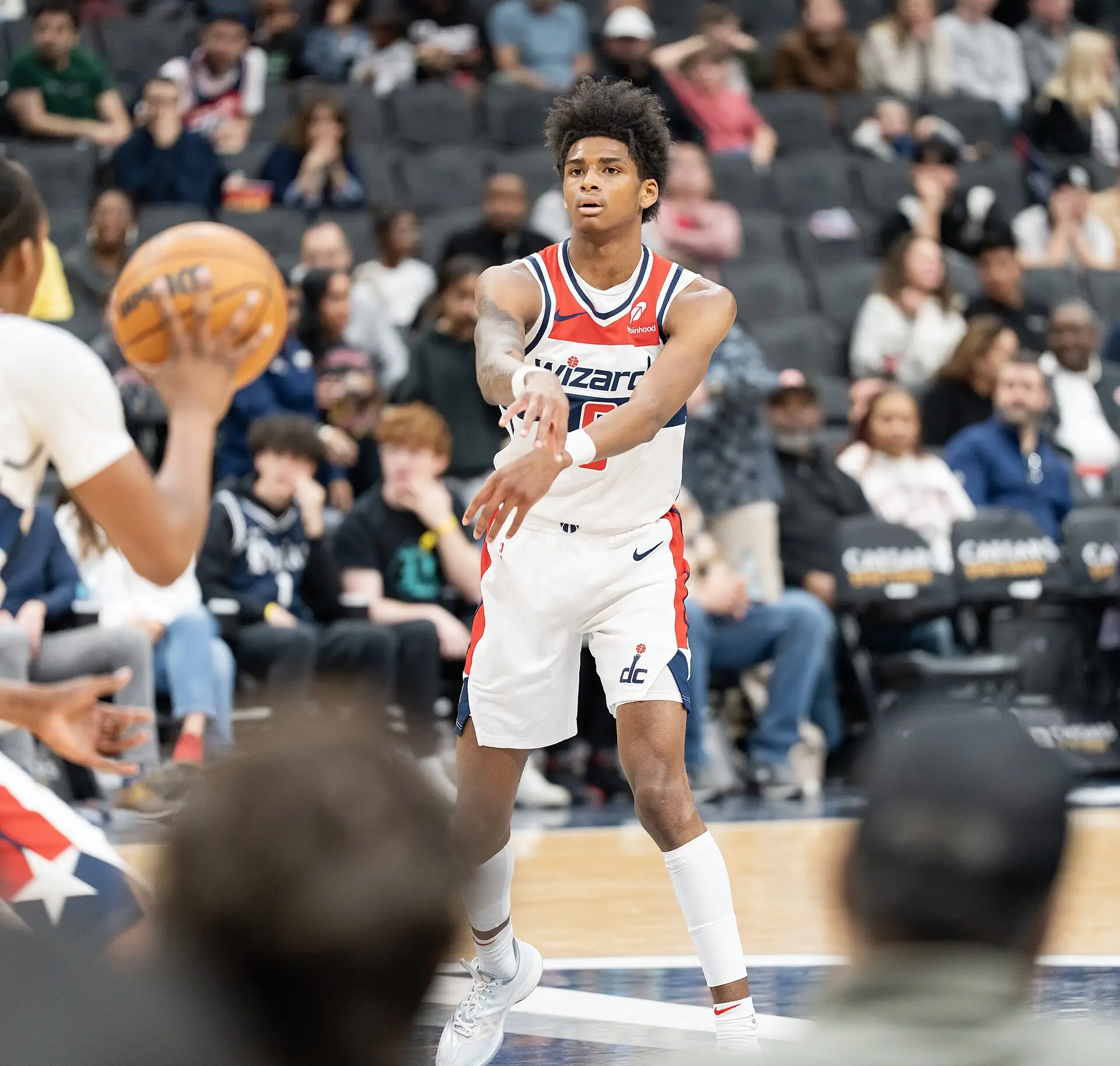
The trade at a glance
- Grizzlies receive: Jordan Hawkins, Micah Peavy, one future second-round pick and one future second-round pick swap.
- Pelicans receive: AJ Johnson and Taj Gibson, who was subsequently waived.
The transaction was announced on September 8 and completed as teams continued shaping their rosters ahead of the 2026/27 season. Because the deal does not involve a proven All-Star, its value will be determined by role, development and how effectively each club uses the flexibility it creates.
Why Memphis made the deal
Hawkins gives Memphis a movement shooter with genuine NBA experience. The No. 14 pick in the 2023 draft has averaged 8.0 points and 2.3 rebounds while making 34.8% of his three-point attempts in roughly 18 minutes per game over his career. Those numbers do not guarantee a major rotation role, but his ability to stretch a defense can create cleaner driving lanes and punish opponents who load up in the paint.
That is the clearest basketball logic. Memphis has added a player whose best skill can translate without requiring the ball on every possession. Hawkins can run off screens, relocate around creators and provide instant offense in second-unit combinations. If his defense and shot selection become more consistent, he has a path to becoming a useful specialist.
Peavy is a different type of bet. Selected 40th in the 2025 draft, he averaged 4.3 points and 1.9 rebounds as a rookie. His statistical résumé is modest, but bigger perimeter players often need time before their defensive versatility and decision-making settle at NBA speed. Memphis can evaluate him as a depth wing while retaining more future optionality through the additional second-round assets.
The picks matter because second-round selections are increasingly useful as inexpensive roster pieces or as currency in a later trade. The swap may never convey meaningful value, but it gives the Grizzlies another small lever in future negotiations.
What New Orleans is betting on
For the Pelicans, Johnson is the central piece. The 23rd pick in the 2024 draft is still a project, but his age, length and ball-handling potential offer a different upside profile. He averaged 3.3 points in 48 games last season with Dallas and Washington before moving to Memphis earlier in the offseason without appearing in a game for the Grizzlies.
Those numbers underline the uncertainty: Johnson has not yet shown that he can command a regular NBA role. New Orleans is effectively wagering that a new development environment and a clearer runway can unlock more of the tools that made him a first-round prospect.
Waiving Gibson suggests the veteran was included primarily to make the transaction work rather than as a long-term rotation addition. That decision also allows the Pelicans to keep their evaluation focused on younger players and preserve flexibility as the season approaches.
Who won the trade?
There is no responsible way to declare an immediate winner. Memphis obtained the more established NBA skill in Hawkins, another young wing and future draft value. New Orleans obtained the player with the less-defined but potentially broader developmental range, then opened a roster spot by releasing Gibson.
The deal will look good for Memphis if Hawkins becomes a reliable shooting option in meaningful games or if the acquired draft capital helps complete another move. It will look good for New Orleans if Johnson grows into a dependable two-way guard. Both outcomes are possible, and neither can be judged from draft position alone.
What to watch next
- Hawkins’ role: whether Memphis uses him as a bench shooter or gives him a larger opportunity alongside primary creators.
- Peavy’s defense: his ability to guard multiple positions could determine whether he earns consistent minutes.
- Johnson’s development: ball security, shooting and defensive awareness will be the key indicators.
- Roster flexibility: New Orleans now has an open spot, while Memphis has added two players and future draft tools.
Confirmed facts and interpretation
| Item | Status |
|---|---|
| The four-player trade and draft compensation | Confirmed by the NBA and Pelicans |
| Gibson waived by New Orleans | Confirmed by the NBA |
| Memphis views Hawkins as a long-term rotation shooter | Analysis; the team has not guaranteed his role |
| Johnson will receive a larger role in New Orleans | Possible, but not confirmed |
The bigger picture
This is the kind of move that can be easy to overlook in September and meaningful by spring. Contending teams need low-cost players with one dependable skill. Reworking teams need development bets and roster flexibility. Memphis and New Orleans approached the same trade from those different positions.
The 2026/27 NBA schedule has already been released, but training camp and preseason performance will provide the first real evidence about where Hawkins, Peavy and Johnson sit in their new rotations. Until then, the fairest reading is straightforward: Memphis paid for shooting, depth and options; New Orleans chose a younger upside gamble.
Sources
- NBA.com: Pelicans–Grizzlies trade announcement
- NBA.com: 2026 offseason trade tracker
- New Orleans Pelicans: official transaction release
- NBA.com: 2026/27 schedule announcement
Smashology Media distinguishes confirmed reporting from analysis and updates stories when material facts change.
Leon Ramoviq
Primary Author · Editorial Reviewer · Researcher Leon Ramoviq is a digital media researcher, content creator, and primary author at Smashology Media. His work focuses on researching, verifying, and developing stories across entertainment, culture, sports, internet trends, curiosity-driven topics, and viral news. Before publishing, Leon reviews sources, cross-checks key claims, and works to ensure that articles are clear, accurately represented, and based on reliable information rather than unverified social-media speculation. With experience in digital media, graphic design, social media content, and online audience engagement, he brings both an editorial and visual perspective to the stories published on Smashology. Leon is particularly interested in how stories spread online, why certain topics capture public attention, and how complex or trending information can be presented in a simple and engaging format. Role at Smashology As a primary author and researcher, Leon is involved in: • Researching stories and identifying original or reliable sources • Writing and developing articles for Smashology • Reviewing facts, names, dates, quotations, and contextual information • Checking stories for misleading or unsupported claims • Reviewing articles before publication • Following developments and updating stories when meaningful new information becomes available • Maintaining editorial consistency across Smashology content Editorial Approach Leon believes engaging content should not come at the expense of accuracy. His approach is to combine strong storytelling with responsible sourcing, clear attribution, and additional verification when a story originates from social media or rapidly developing online discussions.